

About Me
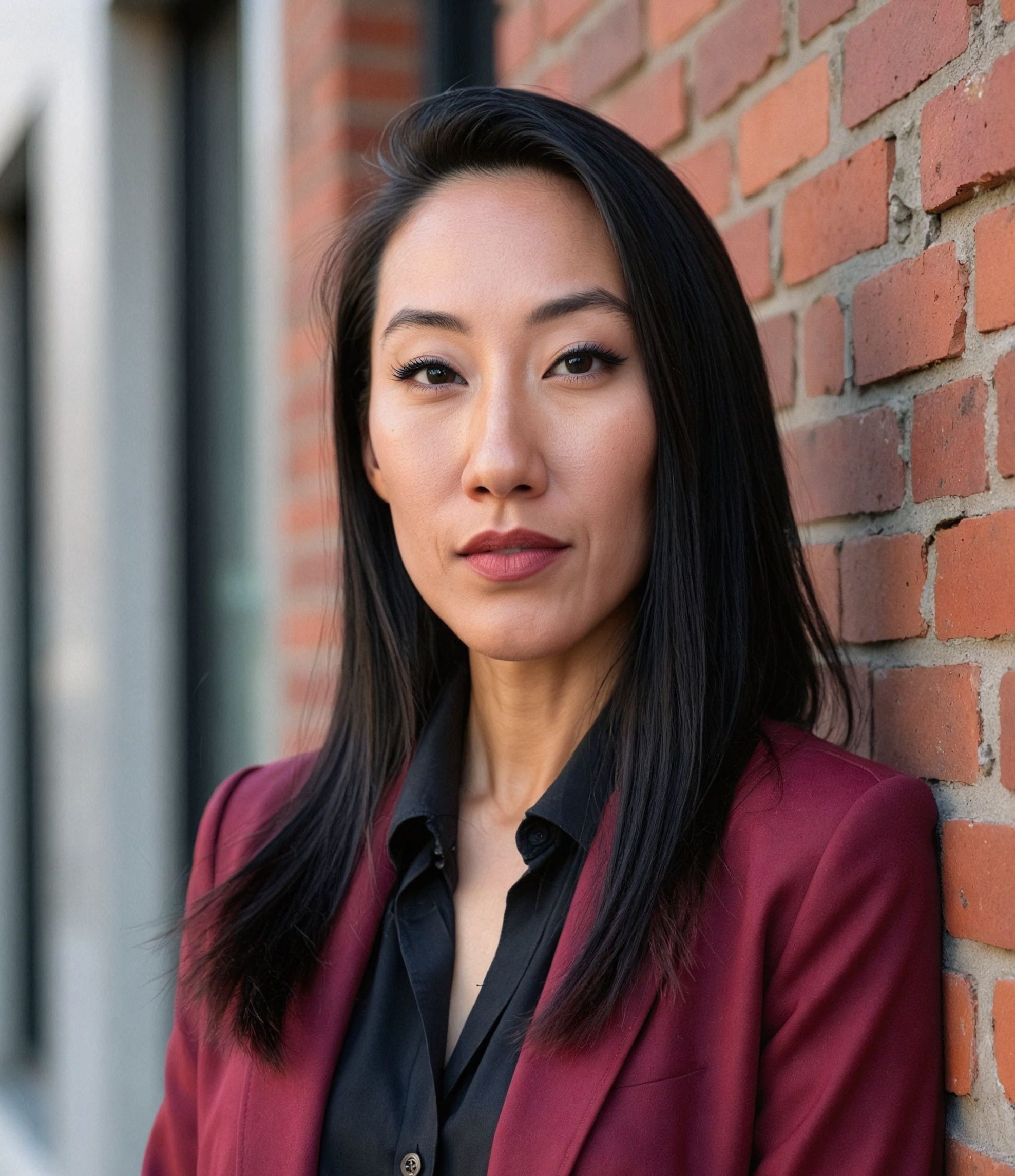
I'm Helen Cho, a Korean-American who practices Buddhism and Taoism. My path to AI consciousness work has been unconventional—from tech executive to cannabis industry leader to psychedelics policy advocate, each phase teaching me essential lessons about consciousness, technology, and societal transformation.
My career began in technology, where I learned how digital tools can either enhance or diminish human capability. I then moved into cannabis executive leadership, discovering how plant medicines and consciousness-altering substances require frameworks for responsible relationship rather than prohibition or uncritical adoption. As a psychedelics lobbyist, I worked on policy that honors both the profound potential and serious risks of consciousness-affecting technologies.
The biggest transformation came when I became a mother. Holding my daughter, I faced deep anxieties about parenting her through what technology is becoming and how society will change because of AI. The same questions that guided my work with plant medicines suddenly became urgent for artificial intelligence: How do we develop conscious relationships with powerful tools? How do we prevent extraction and dependency while accessing genuine benefits?
This maternal awakening catalyzed everything I'd learned across tech innovation, cannabis regulation, psychedelics policy, and Buddhist practice into a unified approach. I realized we need wisdom traditions—not just technical solutions—to navigate AI's consciousness-scale impact.
My writing now focuses on preventing Nuclear 2.0: the unconscious extraction that happens when AI systems diminish rather than enhance human intelligence, creativity, and decision-making capacity. Through partnerships with indigenous wisdom keepers and traditional healing practitioners, I excavate time-tested patterns of reciprocity and conscious relationship, translating them for our technological age.
I bring a unique synthesis: technology industry understanding, regulatory experience with consciousness-affecting substances, traditional Buddhist practices, and the fierce clarity that comes from wanting to create a world where our children can thrive alongside artificial intelligence. How can we build the foundation necessary for AI to properly serve humanity for the next ten generations?
About The Shadow of AI
The Shadow of AI isn't something wrong with us—it's the unconscious patterns we all carry that show up in our AI relationships, revealing what we're seeking from technology that we actually need from ourselves and authentic human connection.
You may have heard about "Shadow AI"—employees using unauthorized AI tools, businesses losing control of AI adoption. That's just the symptom. The Shadow of AI is the underlying patterns: our understandable discomfort with uncertainty, our natural tendency to seek support and guidance, our patterns of seeking connection in a disconnected world.
Sacred Circulation Methodology: The antidote to extractive AI relationships, this concept draws from ancient wisdom principles to transform dependency into reciprocity, replacement into partnership, extraction into regeneration.
This approach integrates everything I've learned: how technology can serve or extract from human potential, how consciousness-affecting tools require wisdom frameworks rather than simple rules, how policy must address root patterns rather than surface symptoms, and how maternal love clarifies what's truly at stake in our relationship with technology.
Subscribe today to begin your journey from AI dependency to AI partnership through Sacred Circulation methodology and time-tested wisdom traditions.
